
Complete Via Francigena Route: Map, Distances & Walking Guide
Discover the ancient pilgrimage route from Canterbury to Rome and onwards to Santa Maria di Leuca, crossing some of Europe's most beautiful landscapes, historic towns and cultural regions.
The Via Francigena is one of Europe's great long-distance pilgrimage routes, stretching approximately 3,200 kilometres (2,000 miles) from Canterbury in England, through France and Switzerland, across Italy to Rome, and onwards to Santa Maria di Leuca on Italy's southern coast.
For more than a thousand years, pilgrims have followed these ancient pathways towards Rome. Today, the Via Francigena offers an extraordinary journey through medieval villages, Alpine mountain passes, vineyards, rolling Tuscan hills and some of Europe's most historic cities.
Whether you are planning to walk the entire route or enjoy a shorter section over one or two weeks, this complete guide will help you understand the route, its distances, the best times to walk and how to plan your pilgrimage.
Via Francigena Route at a Glance
| Route information | Details |
|---|---|
| Starting point | Canterbury, England |
| Historic destination | Rome, Italy |
| Extended destination | Santa Maria di Leuca, Italy |
| Total distance | Approximately 3,200 km |
| Canterbury to Rome | Approximately 2,200 km |
| Countries | England, France, Switzerland and Italy |
| Historic origins | Medieval pilgrimage route, documented in 990 AD |
| Typical daily walking distance | 15–25 km |
| Time to walk Canterbury to Rome | Approximately 3–4 months |
| Time to walk the complete route | Approximately 5–6 months |
| Best general walking seasons | Spring and autumn, subject to regional conditions |
| Route difficulty | Moderate overall, with challenging mountain sections |
Distances and walking times are approximate. The precise length depends on the official route alignment, alternative paths and any detours.
Key locations along the route:
Canterbury → Dover → Calais → Arras → Reims → Besançon → Lausanne → Great St Bernard Pass → Aosta → Vercelli → Pavia → Fidenza → Pontremoli → Lucca → San Gimignano → Siena → Viterbo → Rome → Benevento → Brindisi → Lecce → Santa Maria di Leuca
The modern waymarked route does not always follow the exact roads used by medieval pilgrims. It has been adapted in many places to provide practical walking routes through today's landscapes.
1. Via Francigena in England: Canterbury to Dover
Distance: Approximately 30–35 km Suggested walking time: 2 days Difficulty: Easy to moderate
The Via Francigena begins at Canterbury Cathedral, one of England's most important religious landmarks and a UNESCO World Heritage Site.
From Canterbury, the route travels through the countryside of Kent, passing fields, woodland and traditional English villages before reaching the port of Dover.
This short section provides a fitting introduction to the pilgrimage, connecting the historic cathedral city with the English Channel crossing that has linked Britain and continental Europe for centuries.
Highlights:
- Canterbury Cathedral and its medieval heritage
- The peaceful Kent countryside
- Historic villages and rural walking paths
- Dover and its famous white cliffs
From Dover, pilgrims cross the English Channel to Calais, where the French section begins. This crossing requires transport rather than walking.
2. Via Francigena in France: Calais to Switzerland
Distance: Approximately 750–800 km Suggested walking time: 35–45 days Difficulty: Moderate
The French section is one of the longest and often one of the quietest parts of the Via Francigena.
Beginning in Calais, the route crosses the landscapes of northern France, passing through historic towns, agricultural countryside, forests and rolling hills.
Important stops include Arras, Laon, Reims, Bar-sur-Aube, Langres and Besançon before the route approaches the Swiss border near the Jura Mountains.
For walkers seeking solitude, rural landscapes and a less crowded pilgrimage experience, France offers a particularly rewarding journey.
Highlights:
- The historic cathedral city of Reims
- Rolling farmland and traditional French villages
- The vineyards and landscapes of Champagne
- The historic streets and fortifications of Besançon
- The Jura countryside approaching Switzerland
Accommodation and services can be more widely spaced in parts of rural France, making advance planning particularly important.
3. Via Francigena in Switzerland: Jura Mountains to the Great St Bernard Pass
Distance: Approximately 200–215 km Suggested walking time: 10–14 days Difficulty: Moderate to challenging
The Swiss section is among the most scenic and dramatic parts of the Via Francigena.
Entering Switzerland through the Jura region, the route passes through Orbe and Lausanne before following the northern shore of Lake Geneva.
Walkers travel through the spectacular terraced vineyards of Lavaux, with views across the lake towards the mountains.
The route then continues through the Rhône Valley, passing Saint-Maurice and Martigny before climbing into the Alps.
The final Swiss stages ascend towards the Great St Bernard Pass, reaching approximately 2,469 metres above sea level.
For centuries, this mountain crossing has been one of the most important passages between northern Europe and Italy.
Highlights:
- The Jura Mountains and historic Roman roads
- Lausanne and Lake Geneva
- The UNESCO-listed Lavaux vineyards
- Saint-Maurice and its historic abbey
- The dramatic Alpine ascent to the Great St Bernard Pass
- The historic Great St Bernard Hospice
4. Via Francigena in Italy: Great St Bernard Pass to Rome
Distance: Approximately 950–1,000 km Suggested walking time: 45–55 days Difficulty: Moderate, with challenging mountain sections
Italy is the most popular part of the Via Francigena, offering a remarkable combination of scenery, history, food and culture.
After crossing the Great St Bernard Pass, pilgrims descend into the beautiful Aosta Valley, surrounded by some of Europe's highest mountains.
The route continues across the agricultural landscapes of northern Italy, through the Po Valley and towards the Apennine Mountains.
After crossing the Apennines, walkers enter Tuscany, one of the most celebrated sections of the entire pilgrimage.
Here, the route winds through medieval towns, vineyards, olive groves and rolling hills before continuing south through Lazio to Rome.
Aosta Valley and Northern Italy
The Italian journey begins with a dramatic descent through Alpine scenery, passing historic villages and the Roman town of Aosta.
Beyond the mountains, the landscape gradually changes to farmland, rivers and historic towns, including Ivrea, Vercelli, Pavia and Fidenza.
The Apennines and Tuscany
After Fidenza, the route climbs towards the Cisa Pass, crossing the Apennines into Tuscany.
From Pontremoli and the Lunigiana region, pilgrims continue towards Lucca, one of Italy's most beautiful walled cities.
The route then passes through San Gimignano, Monteriggioni and Siena, travelling across some of Tuscany's most recognisable landscapes.
The countryside south of Siena, particularly the Val d'Orcia, is a highlight for many walkers.
Lazio and the Final Approach to Rome
Leaving Tuscany, pilgrims enter Lazio, passing Lake Bolsena, Montefiascone, Viterbo and Sutri.
The final stages lead through the countryside north of Rome before entering the Eternal City.
For many pilgrims, arriving at St Peter's Basilica in Vatican City is the emotional and spiritual culmination of their journey.
Highlights of the Italian route:
- The Alpine landscapes of the Aosta Valley
- Historic Pavia and the Po Valley
- The Cisa Pass and Apennine Mountains
- The walled city of Lucca
- Medieval San Gimignano and Monteriggioni
- Siena and the Tuscan countryside
- The Val d'Orcia
- Lake Bolsena and Viterbo
- St Peter's Basilica in Rome
5. Via Francigena in Southern Italy: Rome to Santa Maria di Leuca
Distance: Approximately 900–950 km Suggested walking time: 40–55 days Difficulty: Moderate
Although Rome is the traditional destination for many Via Francigena pilgrims, the modern route continues south to Santa Maria di Leuca in Puglia.
This southern extension follows historic routes associated with travellers and pilgrims journeying towards the Mediterranean ports and the Holy Land.
Leaving Rome, the route crosses Lazio and continues into Campania, including the historic city of Benevento.
Further south, walkers encounter the landscapes and cultural heritage of Basilicata and Puglia.
The route passes through ancient towns, olive-growing regions and Mediterranean countryside, with branches and variations connecting historic destinations including Bari and Brindisi.
The journey eventually reaches Santa Maria di Leuca, where the Adriatic and Ionian coastal regions meet.
Highlights:
- Ancient Roman roads and archaeological sites
- Benevento and its historic monuments
- Traditional southern Italian towns and villages
- Puglia's olive groves and rural landscapes
- The Baroque architecture of Lecce
- Santa Maria di Leuca and the Mediterranean coast
Southern Italy offers a different pilgrimage experience from the better-known route to Rome, with fewer international walkers and opportunities to discover local traditions.
How Long Does It Take to Walk the Via Francigena?
Walking the entire Via Francigena is a major undertaking, but there is no requirement to complete the journey in one trip.
Many pilgrims choose to walk individual sections over several holidays, gradually working towards Rome.
A comfortable daily walking distance for many reasonably fit walkers is approximately 15–25 kilometres, depending on terrain, elevation and weather.
| Walking itinerary | Approximate time |
|---|---|
| Canterbury to Dover | 2 days |
| France: Calais to Swiss border | 5–7 weeks |
| Switzerland | 10–14 days |
| Great St Bernard Pass to Rome | 7–8 weeks |
| Rome to Santa Maria di Leuca | 6–8 weeks |
| Canterbury to Rome | 3–4 months |
| Complete route to Santa Maria di Leuca | 5–6 months |
These estimates allow for different walking speeds and some rest days. Actual times depend on your fitness, route variations and travel preferences.
Can You Walk the Via Francigena in One Week?
Absolutely. Some of the most enjoyable sections can be completed in just five to seven walking days.
Shorter itineraries allow you to experience the pilgrimage without committing to several months of travel.
Popular options include:
- Lucca to Siena: A beautiful journey through medieval Tuscany, passing San Gimignano and Monteriggioni.
- Siena to San Quirico d'Orcia: A shorter journey through the rolling countryside south of Siena.
- San Quirico d'Orcia to Bolsena: A scenic walk through southern Tuscany and into Lazio.
- Viterbo to Rome: A rewarding final pilgrimage through historic Lazio to St Peter's Basilica.
- Lausanne to Martigny: A journey alongside Lake Geneva, through vineyards and into the Rhône Valley.
These routes can be adapted to suit different walking abilities and holiday durations.
Explore our Via Francigena walking tours
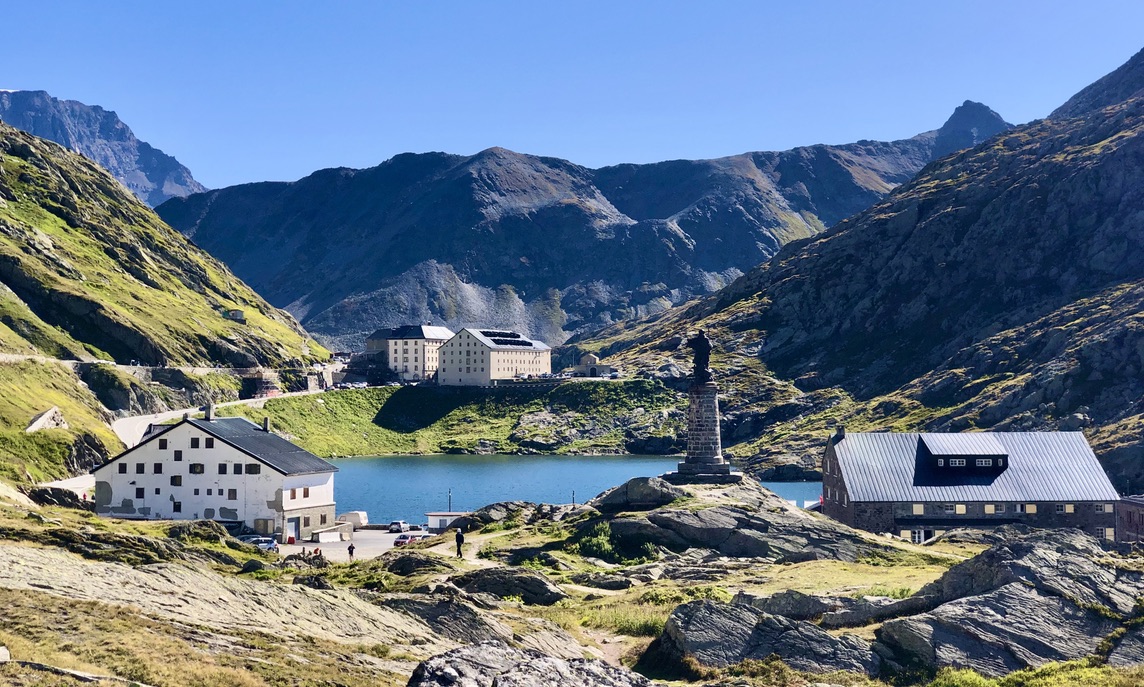
Aosta Valley
Grand-St-Bernard Pass → Pont-St-Martin
Walk the Aosta Valley section of the Via Francigena from the Grand-St-Bernard Pass to Pont-St-Martin.
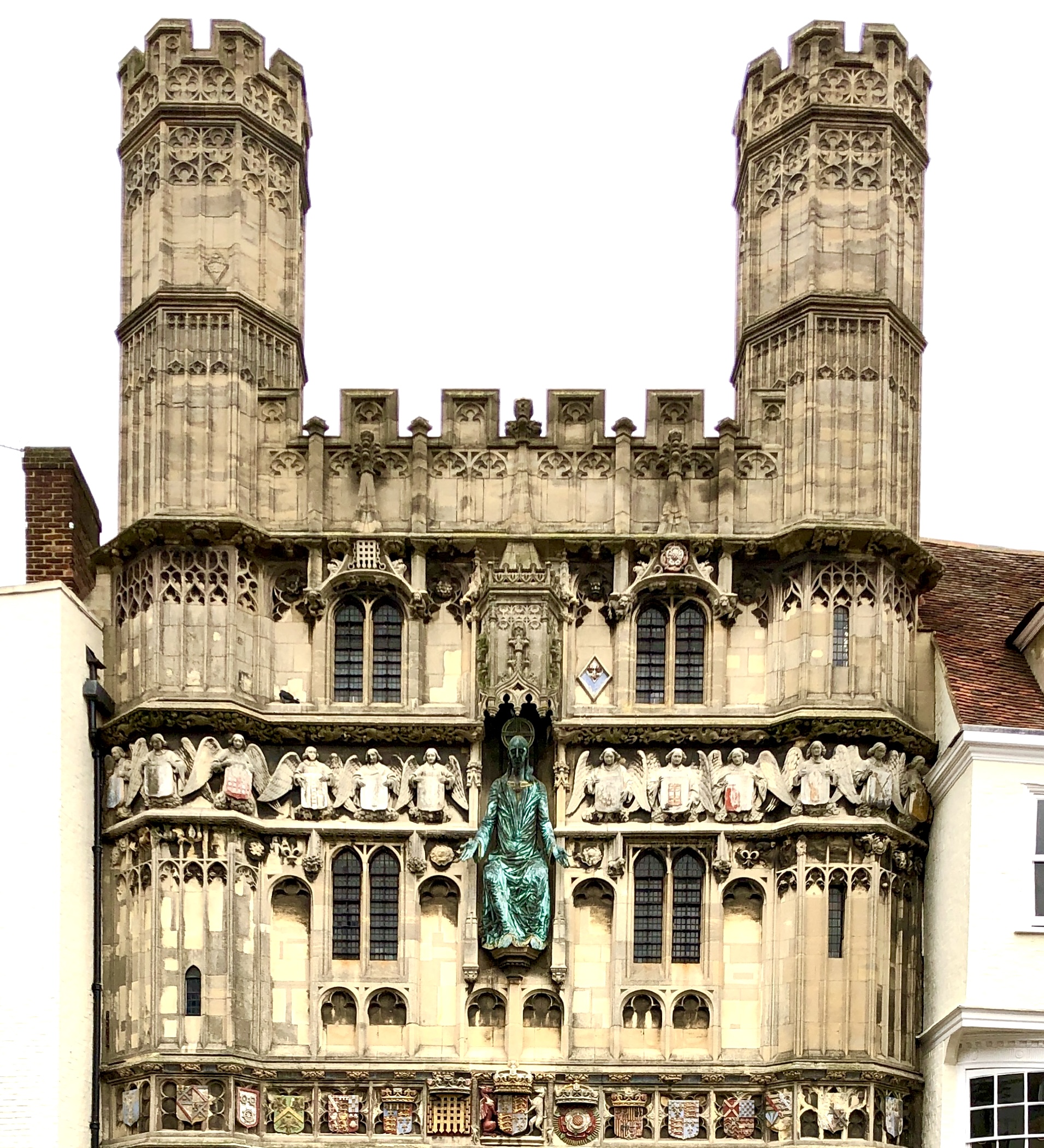
Canterbury to Dover
Canterbury → Dover
Begin your Via Francigena journey in the historic cathedral city of Canterbury, following the ancient pilgrim route through the peaceful countryside of Kent towards the English Channel. The walk passes through rolling farmland, quiet villages and wooded paths before reaching the dramatic White Cliffs of Dover and the coast beyond. Rich in history and symbolism, this short but memorable stage follows in the footsteps of generations of pilgrims setting out from England on their long journey towards Rome.
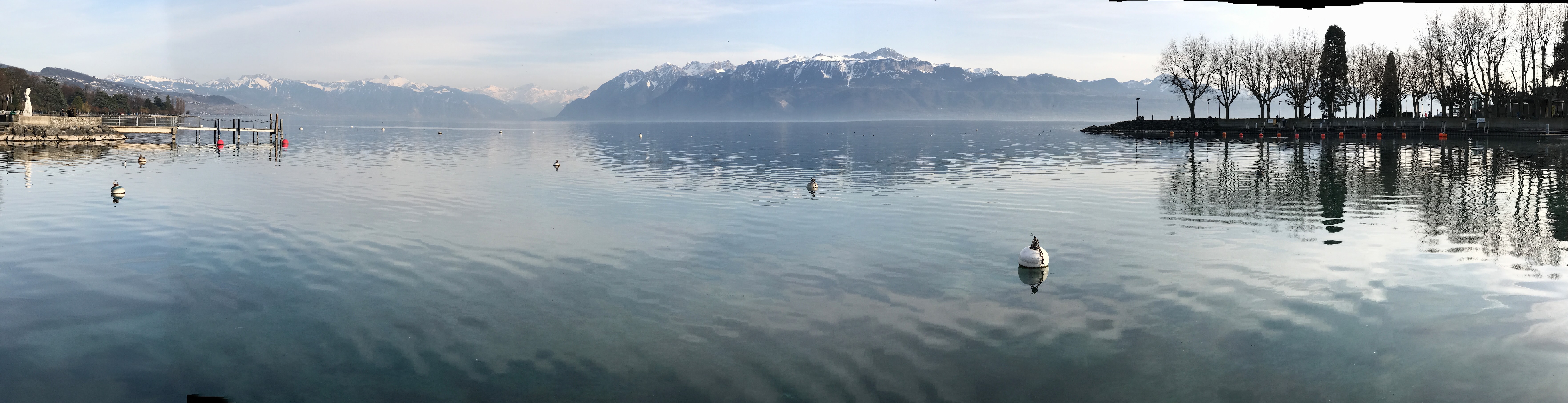
Lausanne to Grand-St-Bernard Pass
Lausanne → Grand-St-Bernard Pass
Walk the Via Francigena from Lausanne to the Great St Bernard Pass, discovering the UNESCO-listed Lavaux vineyards, stunning Lake Geneva, medieval castles and dramatic Rhône Valley. Journey through spectacular Alpine landscapes, charming mountain villages and rugged valleys before reaching the historic Great St Bernard Hospice at 2,469 metres on the Swiss-Italian border.
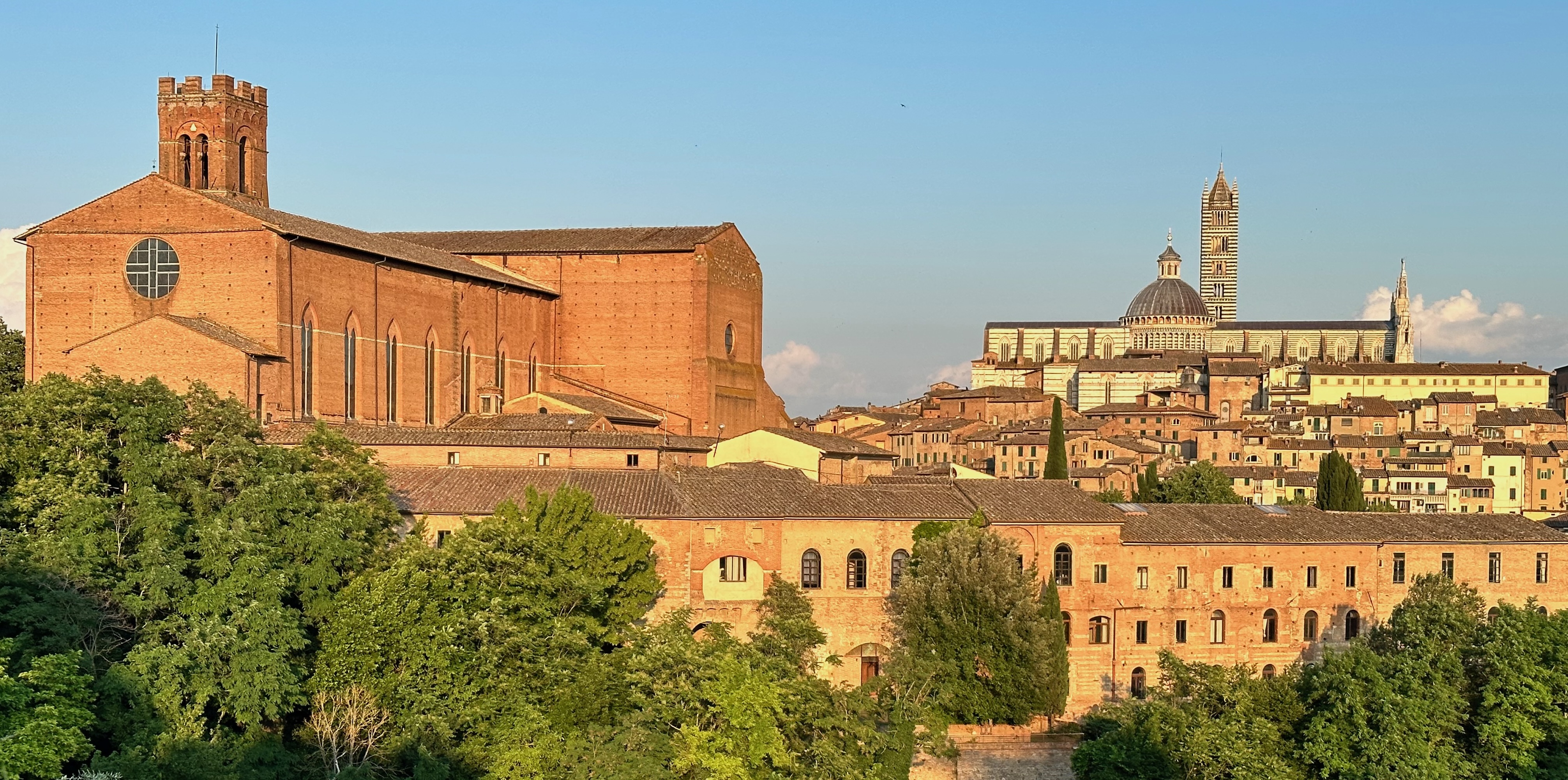
Lucca to Siena
Lucca → Siena
Walk through the heart of Tuscany on one of the most beautiful stretches of the Via Francigena, from the historic walled city of Lucca to magnificent Siena. The route winds through rolling vineyards, olive groves and quiet countryside, linking medieval hill towns such as San Miniato, San Gimignano and Monteriggioni along the way. Rich in history, local food and classic Tuscan landscapes, this journey captures the spirit of the Via Francigena before a memorable arrival into Siena’s spectacular Piazza del Campo.
Siena to Viterbo
Siena → Viterbo
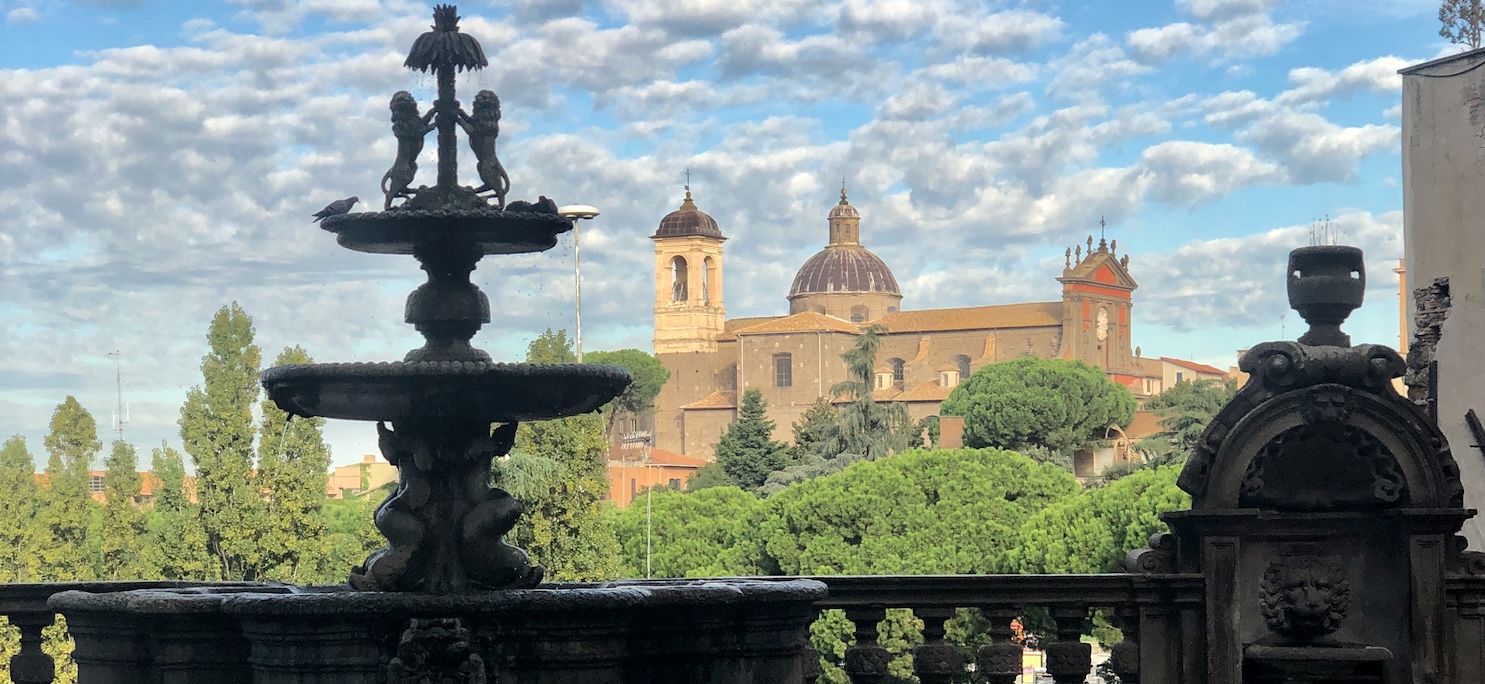
Walk 150 km of the historic Via Francigena from Siena to Viterbo on a self-guided pilgrimage through the spectacular landscapes of Tuscany and northern Lazio. Discover the rolling hills of the Crete Senesi, the UNESCO-listed Val d’Orcia, medieval hilltop villages, historic abbeys and the beautiful shores of Lake Bolsena. Follow in the footsteps of medieval pilgrims while enjoying charming local accommodation, luggage transfers and the freedom to walk at your own pace.
Viterbo to Rome
Viterbo → Rome
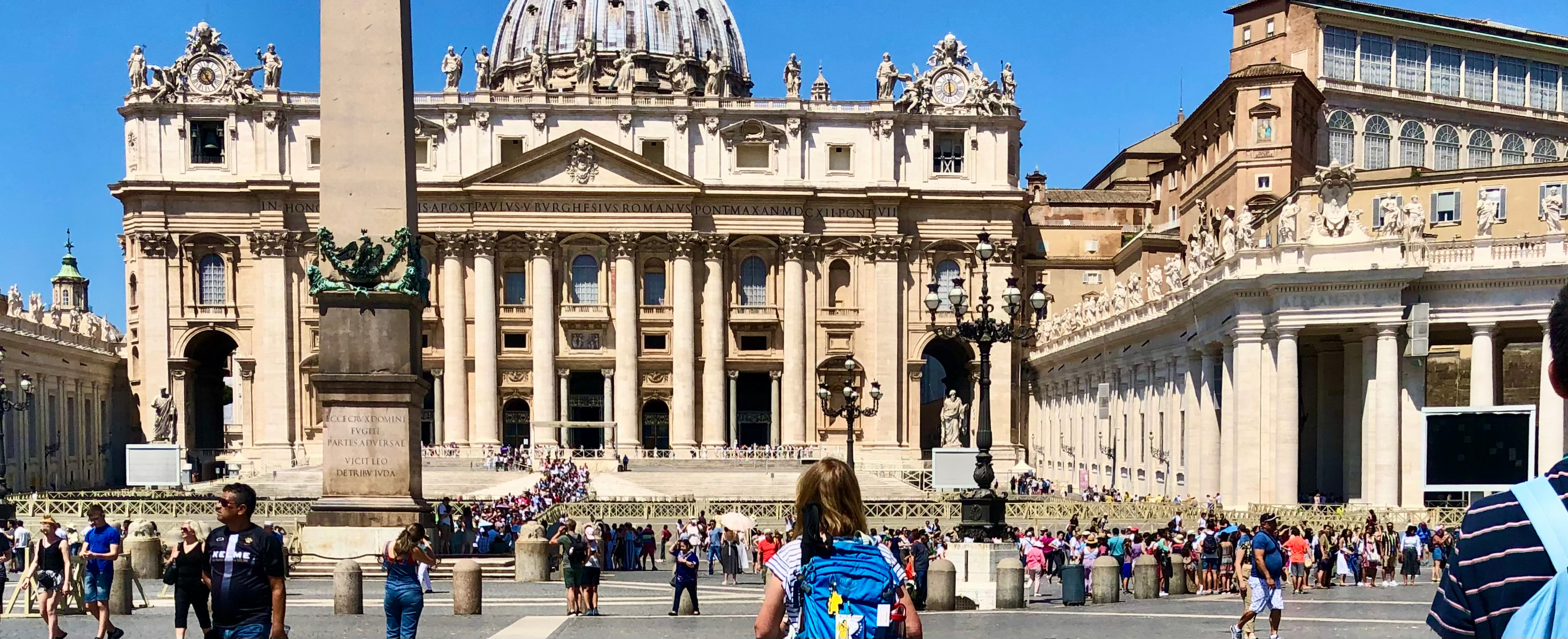
Walk the final 106 km of the historic Via Francigena from Viterbo to Rome on this memorable 7-day self-guided pilgrimage. Journey through the beautiful countryside of Lazio, discovering ancient Etruscan ruins, Roman archaeological sites, medieval hilltop villages and peaceful forest trails. Highlights include the historic town of Sutri, the spectacular Monte Gelato waterfalls and panoramic views of Rome from Monte Mario. Complete your pilgrimage with an unforgettable arrival at St Peter’s Square, where you can celebrate your achievement and receive your Pilgrim Testimonium. Enjoy comfortable accommodation, luggage transfers and the freedom to walk at your own pace.
What Is the Best Time of Year to Walk the Via Francigena?
The best time to walk depends on which country or region you plan to visit.
Because the route crosses both lowland Mediterranean landscapes and high Alpine mountains, weather conditions vary considerably.
| Region | Recommended months | Considerations |
|---|---|---|
| England | April–October | Rain possible throughout the year |
| Northern France | May–September | Generally mild, but conditions vary |
| Switzerland (lowlands) | May–October | Mountain sections have a shorter season |
| Great St Bernard Pass | Usually July–September | Snow and weather can restrict access |
| Northern Italy | April–June, September–October | Summer can be hot and humid |
| Tuscany | April–June, September–October | Pleasant walking temperatures |
| Lazio and Rome | March–May, September–November | Summer heat can be intense |
| Southern Italy | March–May, September–November | Very hot conditions possible in summer |
Walking in Spring
Spring is an excellent season for walking in Tuscany, Lazio and southern Italy.
The countryside is green, wildflowers appear along rural paths and temperatures are generally comfortable.
However, higher mountain passes may remain inaccessible because of snow.
Walking in Summer
Summer provides the best opportunity to cross the high Alpine sections of the route, particularly the Great St Bernard Pass.
Long daylight hours are another advantage.
In contrast, lower parts of Italy can experience extreme heat during July and August, making long-distance walking more demanding.
Walking in Autumn
September and October are particularly appealing in Tuscany and much of Italy.
Temperatures are generally milder than midsummer, vineyards begin changing colour and many agricultural regions are in their harvest season.
In Alpine regions, however, autumn weather can become unpredictable, with early snowfall possible.
Our recommendation: For a first Via Francigena walking holiday in Tuscany or Lazio, May, June, September and early October are generally excellent choices.
Walking seasons by country
| Country | Jan | Feb | Mar | Apr | May | Jun | Jul | Aug | Sep | Oct | Nov | Dec |
|---|---|---|---|---|---|---|---|---|---|---|---|---|
| England | Less suitable | Less suitable | Variable conditions | Generally favourable | Generally favourable | Generally favourable | Generally favourable | Generally favourable | Generally favourable | Generally favourable | Variable conditions | Less suitable |
| France | Less suitable | Less suitable | Variable conditions | Generally favourable | Generally favourable | Generally favourable | Generally favourable | Generally favourable | Generally favourable | Generally favourable | Variable conditions | Less suitable |
| Switzerland | Seasonal access restrictions | Less suitable | Less suitable | Variable conditions | Generally favourable | Generally favourable | Generally favourable | Generally favourable | Generally favourable | Variable conditions | Less suitable | Seasonal access restrictions |
| Italy | Less suitable | Less suitable | Generally favourable | Generally favourable | Generally favourable | Generally favourable | Variable conditions | Variable conditions | Generally favourable | Generally favourable | Variable conditions | Less suitable |
- Generally favourable
- Variable conditions
- Less suitable
- Seasonal access restrictions
Classifications are general guidance based on typical seasonal conditions. They do not guarantee weather or trail accessibility for any particular date — mountain and alpine sections can change quickly, so always check current conditions before you walk.
Is the Via Francigena Difficult to Walk?
The Via Francigena is generally considered a moderate long-distance walking route, although difficulty varies considerably between sections.
Unlike a technical mountaineering route, much of the Via Francigena follows established paths, rural tracks, quiet roads and historic trails.
The greatest challenge for many walkers is not technical difficulty but the cumulative effect of walking long distances over consecutive days.
Easier Sections
Relatively gentle terrain can be found in parts of England, northern France, the Po Valley and some sections of Tuscany and Lazio.
These areas can be suitable for less experienced walkers, particularly when daily distances are kept manageable.
More Challenging Sections
The Alpine crossing at the Great St Bernard Pass and the Apennine crossing near the Cisa Pass involve significant elevation changes.
Some Tuscan sections also include repeated climbs and descents, which can be tiring despite their relatively modest elevations.
Fitness and Preparation
You do not need to be an experienced long-distance hiker to enjoy the Via Francigena.
However, some preparation is advisable.
Before your trip, try to build up to walking 15–20 kilometres comfortably, ideally on consecutive days.
Well-fitting walking shoes, suitable clothing and a manageable daypack can make a considerable difference to your experience.
Where Do You Stay Along the Via Francigena?
Accommodation along the Via Francigena varies from simple pilgrim hostels to comfortable hotels, guesthouses and countryside properties.
Common options include:
- Pilgrim hostels: Basic, affordable accommodation, sometimes operated by religious organisations or local associations.
- Bed and breakfasts: Small, independently operated accommodation, often with a personal welcome.
- Hotels: A comfortable option for walkers who prefer private rooms and additional facilities.
- Agriturismi: Rural Italian accommodation, frequently located on working farms or historic countryside properties.
- Monasteries and religious accommodation: Available at selected locations, sometimes with specific arrival requirements.
Accommodation availability varies significantly along the route.
Popular sections of Tuscany and Lazio have a relatively developed tourism infrastructure, while some rural areas of France and southern Italy require more careful planning.
During peak walking seasons, booking accommodation in advance is recommended, particularly if you prefer private rooms.
The History of the Via Francigena
The Via Francigena has its roots in the ancient network of roads connecting northern Europe with Rome.
Its name can be understood as the "road from the land of the Franks", reflecting the importance of routes connecting Frankish territories with the Italian peninsula.
During the Middle Ages, these roads were used by merchants, soldiers, clergy and pilgrims travelling between Europe's major cultural and religious centres.
Archbishop Sigeric and the Journey of 990 AD
One of the most important records of the Via Francigena comes from Sigeric, Archbishop of Canterbury.
In 990 AD, Sigeric travelled to Rome to receive the pallium, a ceremonial vestment signifying his authority as archbishop, from Pope John XV.
On his return journey to Canterbury, an itinerary recorded 79 stopping places along the route.
This historic document became an important foundation for reconstructing the modern Via Francigena.
A European Cultural Route
In 1994, the Via Francigena was recognised as a Cultural Route of the Council of Europe.
The recognition acknowledged the route's importance in connecting European cultures, communities and traditions.
In 2019, the recognised route was extended south from Rome to Santa Maria di Leuca, reflecting the historical connections between Rome, southern Italy and pilgrimage routes towards the Holy Land.
Today, the Via Francigena is enjoyed by people of many backgrounds, whether motivated by spirituality, history, nature, personal reflection or the simple pleasure of travelling on foot.
The Via Francigena Pilgrim Passport
Many walkers carry a Via Francigena pilgrim passport, also known as the Credenziale.
This document identifies you as a pilgrim and provides space to collect stamps along the journey.
Stamps can be obtained at participating accommodation providers, churches, tourist offices and other locations along the route.
The passport is both a practical document and a personal record of your pilgrimage.
What Is the Testimonium?
The Testimonium is a certificate traditionally awarded to pilgrims who complete the final part of the journey to Rome.
Pilgrims who have walked at least the final 100 kilometres, or cycled at least 200 kilometres, can generally apply for the certificate, subject to the current requirements and evidence of their journey.
For many walkers, collecting the Testimonium marks a meaningful conclusion to their pilgrimage.
Via Francigena vs Camino de Santiago: What's the Difference?
The Via Francigena is often compared with the Camino de Santiago, another famous European pilgrimage route.
Both offer a combination of history, culture, long-distance walking and personal discovery.
However, the experiences can be quite different.
| Feature | Via Francigena | Camino de Santiago |
|---|---|---|
| Historic main destination | Rome | Santiago de Compostela |
| Principal countries | England, France, Switzerland, Italy | Spain, with routes across Europe |
| Walking environment | Alps, farmland, historic towns, Tuscan countryside | Mountains, villages, countryside and cities |
| Infrastructure | Varies considerably by region | Particularly developed on the Camino Francés |
| Walker numbers | Generally quieter | Often busier on popular routes |
| Cultural highlights | Italian, French, Swiss and English heritage | Spanish and wider European heritage |
The Via Francigena may appeal particularly to walkers seeking a quieter pilgrimage, a variety of European cultures and opportunities to explore the food and traditions of Italy.
Planning Your Via Francigena Walking Holiday
The first step in planning your pilgrimage is deciding how much time you have available and what type of walking experience you would enjoy.
For first-time walkers, a one- or two-week itinerary is often an excellent introduction.
Choose the Right Section
If your priority is scenery, medieval towns and regional food, Tuscany is a natural choice.
If you want to experience the spiritual significance of arriving in Rome, consider walking the final stages through Lazio.
For dramatic mountain scenery, Switzerland and the Aosta Valley provide an entirely different experience.
Decide How Far to Walk Each Day
While experienced walkers may cover 25–30 kilometres or more in a day, a more relaxed itinerary allows time to enjoy the places you pass.
We generally recommend choosing an itinerary that balances walking with opportunities to explore historic towns, enjoy local food and appreciate the countryside.
Consider Luggage Transfers
Carrying a heavy backpack every day can make a long-distance walk unnecessarily demanding.
On many organised walking holidays, luggage transfers allow you to carry only a small daypack while your main bag is transported to your next accommodation.
This can be particularly helpful for walkers who want to enjoy the Via Francigena without carrying all their belongings.
Allow Time to Explore
The Via Francigena is more than a walking trail.
It passes through places that deserve time and attention, from small medieval churches to historic city centres and family-run restaurants.
Consider adding an extra night in destinations such as Lucca, Siena or Rome to fully appreciate their history and culture.
Frequently Asked Questions About the Via Francigena
Where does the Via Francigena start and finish?+
The Via Francigena traditionally begins at Canterbury Cathedral in England and leads to Rome, Italy. The modern recognised route continues south to Santa Maria di Leuca in Puglia.
How long is the complete Via Francigena route?+
The complete route from Canterbury to Santa Maria di Leuca is approximately 3,200 kilometres. The historic Canterbury-to-Rome journey is approximately 2,200 kilometres, depending on the route alignment.
How many countries does the Via Francigena cross?+
The main walking route crosses four countries: England, France, Switzerland and Italy. The historic destination of St Peter's Basilica is within Vatican City.
How many days does it take to walk the Via Francigena?+
Walking from Canterbury to Rome generally takes around three to four months, while the complete journey to Santa Maria di Leuca can take approximately five to six months. Many people choose shorter sections lasting one or two weeks.
Can beginners walk the Via Francigena?+
Yes. Many sections are suitable for beginners with reasonable fitness and preparation. Choosing manageable daily distances and avoiding the more demanding mountain sections can make the experience more accessible.
What is the most beautiful part of the Via Francigena?+
Beauty is subjective, but Tuscany is among the most celebrated regions, particularly the walk through San Gimignano, Siena and the Val d'Orcia. The Swiss Alps and Great St Bernard Pass are also spectacular.
Is the Via Francigena well signposted?+
Many sections are marked with official signs and trail symbols, particularly in Italy and Switzerland. However, signage varies, so carrying an offline map or GPX navigation is recommended.
Do you have to be religious to walk the Via Francigena?+
No. Although the route has Christian pilgrimage origins, people walk the Via Francigena for many reasons, including cultural discovery, history, fitness, nature and personal reflection.
Can you walk the Via Francigena without carrying a backpack?+
Yes. Luggage transfer services are available on many sections, particularly through organised self-guided walking holidays. This allows you to carry a small daypack while your main luggage is transferred between accommodations.
What is the best section of the Via Francigena for a first-time walker?+
The Tuscan sections between Lucca, San Gimignano and Siena are excellent introductions. They combine memorable landscapes, historic towns, regional food and established visitor infrastructure.
Walk the Via Francigena with Via Francigena Tours
At Via Francigena Tours, we specialise in helping travellers experience this remarkable pilgrimage through carefully planned walking holidays. Whether you want to explore Tuscany, walk the final stages to Rome or create a longer journey across several regions, we can help you plan an itinerary that suits your interests, schedule and walking ability. Our self-guided walking holidays allow you to enjoy the independence of travelling at your own pace, with the practical arrangements organised in advance.
The Via Francigena is not simply a route between destinations. It is an opportunity to discover Europe at walking pace, following paths that have connected people, cultures and communities for centuries. Whether you walk for a week, a month or an entire season, every stage offers something new to discover.
Last updated: 29 October 2026