
Via Francigena in Italy: Complete Route, Map, Stages & Walking Guide
Italy · ≈ 877 km
Discover the Italian Via Francigena, from the dramatic Alpine landscapes of the Aosta Valley to the medieval towns of Tuscany and the historic pilgrimage destination of Rome.
The Via Francigena in Italy is one of Europe's most rewarding long-distance walking routes, combining spectacular scenery, medieval history, regional cuisine and centuries of pilgrimage tradition.
Following the footsteps of travellers who have crossed Italy for more than a thousand years, the route begins at the Great St Bernard Pass on the Swiss border, descends through the Aosta Valley, crosses the plains of northern Italy and the Apennine Mountains, and continues through Tuscany and Lazio before arriving in Rome.
The traditional Italian pilgrimage route covers approximately 1,000 kilometres, although the exact distance depends on the route alignment and variants chosen.
For many walkers, Italy is the highlight of the entire Via Francigena. The route passes through some of the country's most celebrated landscapes, including the vineyards and hilltop towns of Tuscany, the UNESCO-listed Val d'Orcia and the ancient countryside surrounding Rome.
Quick facts
- Route distance
- 1000
- Walking stages
- 48
- Typical walking days
- 45–55
- Entry point
- Great St Bernard Pass
- Exit point
- Rome — St Peter's Basilica
- Terrain
- Alpine valleys, plains, Apennine passes and Tuscan hills
- Difficulty
- Moderate, with challenging mountain stages
- Recommended season
- April–June and September–October
- Key features
- Aosta Valley, Po Valley, Cisa Pass, Tuscany, Val d'Orcia, Lazio
Via Francigena Italy at a Glance
| Route information | Details |
|---|---|
| Starting point | Great St Bernard Pass, Swiss–Italian border |
| Traditional destination | Rome, Italy |
| Approximate distance | 1,000 km |
| Walking duration | 45–55 walking days |
| Regions crossed | Aosta Valley, Piedmont, Lombardy, Emilia-Romagna, Liguria, Tuscany and Lazio |
| Most popular region | Tuscany |
| Best general walking seasons | April–June and September–October |
| Alpine crossing season | Usually July–September |
| Difficulty | Moderate overall, with challenging mountain stages |
| Typical daily distance | 15–25 km |
| Route marking | Official Via Francigena signs and trail markers |
| Extended Italian route | Continues south to Santa Maria di Leuca |
Distances and walking times are approximate. The Alpine crossing and some mountain sections have seasonal restrictions.
Via Francigena Italy Route Map
The Italian Via Francigena travels from north to south through a remarkable variety of landscapes. Beginning high in the Alps, it descends into the Aosta Valley before crossing the fertile plains of Piedmont and Lombardy. The route then passes through Emilia-Romagna, climbs over the Apennines and enters the historic region of Lunigiana, before continuing through the Tuscan countryside. South of Siena, walkers cross the beautiful Val d'Orcia before entering Lazio, passing Lake Bolsena and Viterbo on the final approach to Rome.
Main towns and landmarks along the route:
Great St Bernard Pass → Aosta → Ivrea → Vercelli → Pavia → Piacenza → Fidenza → Cisa Pass → Pontremoli → Sarzana → Lucca → San Miniato → San Gimignano → Monteriggioni → Siena → San Quirico d'Orcia → Radicofani → Acquapendente → Bolsena → Viterbo → Sutri → Rome
The route can be divided into individual sections, allowing walkers to choose an itinerary that matches their available time, fitness and interests.
1. Aosta Valley: From the Alps into Italy
Suggested duration: 5–7 days Difficulty: Moderate to challenging Landscape: Alpine mountains, historic villages and river valleys
The Italian journey begins at the Great St Bernard Pass, approximately 2,469 metres above sea level.
For centuries, this mountain crossing has connected northern Europe with the Italian peninsula.
From the pass, the Via Francigena descends through dramatic Alpine scenery towards the historic city of Aosta.
Along the way, walkers encounter mountain villages, stone buildings, ancient pathways and views of the surrounding peaks.
Aosta itself is an important historical destination, with remarkably well-preserved Roman monuments, including the Arch of Augustus and the remains of its Roman theatre.
Continuing south and east, the route follows the valley towards Pont-Saint-Martin before entering Piedmont.
Highlights:
- The Great St Bernard Pass and historic hospice
- Spectacular Alpine mountain scenery
- Traditional villages of the Aosta Valley
- Roman monuments in Aosta
- Medieval castles and fortifications
- Pont-Saint-Martin and its ancient stone bridge
2. Piedmont and Lombardy: Historic Towns and the Po Valley
Suggested duration: 12–16 days Difficulty: Easy to moderate Landscape: Farmland, rivers, rice fields and historic towns
Leaving the mountains behind, the Via Francigena enters the agricultural landscapes of northern Italy.
The terrain gradually becomes flatter as the route passes through Piedmont and Lombardy.
Important towns include Ivrea, Vercelli and Pavia, each with its own history and architectural heritage.
The countryside around Vercelli is particularly known for rice cultivation, and walkers may encounter extensive rice fields and irrigation channels.
The route then continues towards Pavia, once the capital of the Lombard kingdom and an important medieval centre.
Pavia's churches, bridges and historic streets reflect its long-standing significance in Italian history.
Highlights:
- The historic town of Ivrea
- Rice-growing landscapes around Vercelli
- Rural villages and agricultural traditions
- Medieval churches and monuments
- Pavia and its historic city centre
- The River Po and surrounding countryside
Walking considerations: Much of this region is relatively flat, but stages can be long and exposed to the sun. Summer temperatures and humidity can make walking uncomfortable, particularly in July and August.
3. Emilia-Romagna and the Apennines: Crossing into Tuscany
Suggested duration: 5–7 days Difficulty: Moderate to challenging Landscape: Agricultural plains, wooded hills and mountain passes
From the Po Valley, the Via Francigena continues through Emilia-Romagna towards the Apennine Mountains.
Important destinations include Piacenza and Fidenza, a historic town known for its Romanesque cathedral.
As the route approaches the mountains, the terrain becomes increasingly hilly.
The ascent towards the Cisa Pass marks one of the most significant geographical transitions of the Italian pilgrimage.
The pass has been used by travellers for centuries and was an important crossing during the Lombard and medieval periods.
After crossing the mountains, the route descends towards Pontremoli and the historic region of Lunigiana.
Highlights:
- Piacenza and its historic architecture
- Fidenza Cathedral
- Rural landscapes of Emilia-Romagna
- Forested Apennine trails
- The historic Cisa Pass
- Mountain villages and traditional stone buildings
Walking considerations: Expect sustained climbs and descents, with some rocky or uneven trails. Suitable walking footwear and reasonable fitness are important.
4. Tuscany: Medieval Villages, Vineyards and Rolling Hills
Distance: Approximately 394 km Suggested duration: 16–20 days Difficulty: Moderate, with some demanding hilly stages Landscape: Medieval towns, vineyards, olive groves and rolling countryside
For many travellers, Tuscany is the most beautiful and memorable section of the Via Francigena in Italy.
The Tuscan route stretches from the Apennine crossing at the Cisa Pass through the historic landscapes of Lunigiana, Lucca, San Gimignano, Siena and the Val d'Orcia.
It combines some of Italy's finest cultural destinations with peaceful rural walking.
The region is also particularly well suited to shorter walking holidays, with a variety of itineraries lasting from five days to two weeks.
Pontremoli and Lunigiana
The Tuscan journey begins in Lunigiana, a region of wooded valleys, mountain villages and medieval castles.
Pontremoli is a particularly attractive historic town, known for its stone bridges, narrow streets and traditional architecture.
The route continues through Aulla and towards Sarzana before reaching the coastal-influenced landscapes of northern Tuscany.
This part of the Via Francigena is quieter than the better-known sections around Siena, offering a rewarding experience for walkers interested in history and rural landscapes.
Lucca: One of Tuscany's Most Beautiful Cities
Lucca is one of the great cultural highlights of the Italian Via Francigena.
Surrounded by remarkably preserved Renaissance-era city walls, its historic centre is filled with churches, piazzas and narrow streets.
The city has a long association with pilgrimage, particularly through the Cathedral of San Martino and the Holy Face of Lucca, an important object of medieval devotion.
Lucca is also an excellent starting point for a self-guided walking holiday through Tuscany.
From here, the route continues towards Altopascio and San Miniato.
San Miniato to San Gimignano
South of San Miniato, the Via Francigena enters the rolling countryside that many travellers associate with Tuscany.
The route passes through vineyards, olive groves, woodland and agricultural landscapes.
Gambassi Terme provides a traditional stopping point before the route continues towards San Gimignano.
Famous for its surviving medieval towers, San Gimignano is one of Tuscany's most recognisable hilltop towns.
Its historic centre is a UNESCO World Heritage Site and offers a fascinating glimpse into medieval urban life.
San Gimignano to Siena
The journey from San Gimignano to Siena is one of the most celebrated sections of the Via Francigena.
Walkers travel through picturesque countryside, passing vineyards, woodland and small settlements.
A particular highlight is Monteriggioni, a beautifully preserved fortified village surrounded by medieval walls.
From Monteriggioni, the route continues towards Siena.
Siena is one of Italy's most important medieval cities, renowned for its magnificent cathedral, historic streets and Piazza del Campo.
Its position along the Via Francigena contributed to its development as a centre of commerce, hospitality and religious life.
Siena to the Val d'Orcia
South of Siena, the landscape opens into the sweeping hills and agricultural countryside of the Val d'Orcia.
This UNESCO-listed cultural landscape is one of the most photographed regions of Italy.
The Via Francigena passes through or near historic villages including Buonconvento, San Quirico d'Orcia and Radicofani.
The scenery is characterised by rolling hills, cypress trees, cultivated fields and distant views of Monte Amiata.
Radicofani, dominated by its medieval fortress, is one of the final major Tuscan destinations before the route enters Lazio.
Highlights of the Tuscan Via Francigena:
- Pontremoli and the historic Lunigiana region
- Lucca and its Renaissance city walls
- San Miniato and the surrounding countryside
- Medieval San Gimignano
- The fortified village of Monteriggioni
- Siena and Piazza del Campo
- The UNESCO-listed Val d'Orcia
- San Quirico d'Orcia and Radicofani
Our recommendation: For a first Via Francigena walking holiday in Italy, the sections between Lucca, San Gimignano and Siena offer an excellent balance of scenery, history, accommodation and regional food.
5. Lazio: From Lake Bolsena to Rome
Distance: Approximately 200 km from the Tuscan border to Rome Suggested duration: 9–11 days Difficulty: Moderate Landscape: Volcanic lakes, countryside, medieval towns and ancient roads
The final region of the traditional Via Francigena is Lazio, where the route approaches its historic destination of Rome.
Entering Lazio near Acquapendente, pilgrims travel through the landscapes of northern Lazio, an area historically known as Tuscia.
This region is rich in Etruscan, Roman and medieval heritage.
One of the first major highlights is Lake Bolsena, a beautiful volcanic lake surrounded by historic villages and agricultural countryside.
The route then continues through Montefiascone towards Viterbo.
Viterbo is particularly notable for its well-preserved medieval quarter and its historical connections with the papacy.
South of Viterbo, the Via Francigena passes through Vetralla, Sutri and Campagnano di Roma.
Sutri is an especially interesting stop, with an ancient amphitheatre carved into volcanic rock and a long history of settlement.
The final stages continue through the countryside north of Rome, including areas of the Veio Regional Park, before entering the city.
For many pilgrims, the journey culminates at St Peter's Basilica in Vatican City.
Highlights:
- The historic town of Acquapendente
- Lake Bolsena and its lakeside scenery
- Montefiascone and its hilltop views
- Viterbo's medieval quarter
- Ancient Etruscan and Roman sites
- Sutri and its rock-cut amphitheatre
- The final approach to Rome
- St Peter's Basilica
Walking considerations: The final stages include both rural trails and urban walking. Summer heat can be significant, and walkers should allow sufficient time for the final approach into Rome.
Via Francigena Italy Walking Stages
The traditional Italian route can be divided into approximately 45–50 main walking stages, depending on the itinerary and route version used. The table below is generated from our live route database. Some stages have official variants or alternative stopping points.
| Stage | Start | Finish | Distance | Elevation | Difficulty |
|---|---|---|---|---|---|
| VFI01 | Grand-St-Bernard Pass | Echevennoz | 14.9 km | — | Easy |
| VFI02 | Echevennoz | Aosta | 13.9 km | — | Easy |
| VFI38 | Acquapendente | Bolsena | 23 km | — | Moderate |
| VFI39 | Bolsena | Montefiascone | 18 km | — | Moderate |
| VFI40 | Montefiascone | Viterbo | 18 km | — | Moderate |
| VFI-060 | Grand-St-Bernard Pass | Echevennoz | 15 km | 2,473m to 1,254m descent | Easy |
| VFI-061 | Echevennoz | Aosta | 14 km | — | Easy |
| VFI-063 | Châtillon | Verrès | 19.44 km | — | Moderate |
| VFI-064 | Verrès | Pont-St-Martin | 14.8 km | — | Easy |
| VFI-086 | Camaiore | Lucca | 23.8 km | — | Moderate |
| VFI-087 | Lucca | Altopascio | 18.39 km | Minimal - one of the easier Tuscan stages | Moderate |
| VFI-089 | San Miniato | Gambassi Terme | 24.5 km | 667 m elevation gain 483 elevation loss | Moderate |
| VFI-090 | Gambassi Terme | San Gimignano | 14 km | — | Easy |
| VFI-091 | Pieve a Elsa | Monteriggioni | 11.1 km | Moderate undulation, no major climbs | Easy |
| VFI-092 | Monteriggioni | Siena | 20.7 km | — | Moderate |
| VFI-096 | Radicofani | Acquapendente | 23.57 km | — | Moderate |
| VFI-097 | Acquapendente | Bolsena | 22.75 km | — | Moderate |
| VFI-098 | Bolsena | Montefiascone | 16.5 km | — | Easy |
| VFI-099 | Montefiascone | Viterbo | 18.37 km | — | Moderate |
| VFI-100 | Viterbo | Vetralla | 14.7 km | — | Easy |
| VFI-101 | Vetralla | Sutri | 25.4 km | — | Moderate |
| VFI-102 | Sutri | Campagnano di Roma | 25.3 km | — | Moderate |
| VFI-103 | Campagnano di Roma | La Storta v2 | 19.8 km | — | Moderate |
| VFI-104 | La Storta | Rome | 19.6 km | — | Moderate |
| VFI29a | Altopascio | Ponte a Cappiano | 17 km | — | Easy |
| VFI36a | San Quirico d’Orcia | Castiglione d’Orcia | 9.3 km | — | Easy |
| VFI-062a | Aosta | Nus | 14.3 km | — | Easy |
| VFI-088a | Altopascio | Fucecchio | 16.5 km | — | Easy |
| VFI-091a | San Gimignano | Colle di Val d’Elsa | 13.8 km | — | Easy |
| VFI-093a | Siena | Lucignano d’Arbia | 20.35 km | — | Moderate |
| VFI-095a | San Quirico d'Orcia | Gallina | 17.49 km | — | Easy |
| VFI-103a | Campagnano di Roma | Isola Farnese | 19.8 km | Uphill from 300 m to 380 m and gradually undulating down to groud level | Moderate |
| VFI-096a_alt | Radicofani | Proceno | 25 km | — | Moderate |
| VFI29b | Ponte a Cappiano | San Miniato | 13 km | — | Easy |
| VFI36b | Castiglione d’Orcia | Radicofani | 23 km | — | Moderate |
| VFI37b | Proceno | Acquapendente | 10 km | — | Easy |
| VFI-062b | Nus | Châtillon | 13.4 km | 600m | Easy |
| VFI-088b | Fucecchio | San Miniato | 11.4 km | — | Easy |
| VFI-091b | Colle di Val d’Elsa | Monteriggioni | 18.3 km | — | Moderate |
| VFI-094b | Buonconvento | San Quirico d’Orcia | 21.69 km | — | Moderate |
| VFI-095b | Gallina | Radicofani | 16.62 km | — | Easy |
| VFI-103b and VFI-104 | Isola Farnese | Rome | 22.3 km | — | Moderate |
| VFI-093b to VFI-094a | Lucignano d’Arbia | Buonconvento | 10.6 km | — | Easy |
| VFI-096b_alt | Proceno | Acquapendente | 6.4 km | — | Easy |
| VFI-095b-096a_alt | La Selvella | Proceno | 29.8 km | — | Challenging |
| VFI-096v1 | La Selvella | Proceno | 29.8 km | — | Challenging |
| VFI-099v2 | Montefiascone | Viterbo | 19.17 km | — | Moderate |
| ZZ-VFI-095-old | San Quirico d'Orcia | Radicofani | 28 km | — | Challenging |
VFI01
Grand-St-Bernard Pass → Echevennoz
14.9 km · Easy
VFI02
Echevennoz → Aosta
13.9 km · Easy
VFI38
Acquapendente → Bolsena
23 km · Moderate
VFI39
Bolsena → Montefiascone
18 km · Moderate
VFI40
Montefiascone → Viterbo
18 km · Moderate
VFI-060
Grand-St-Bernard Pass → Echevennoz
15 km · Easy · 2,473m to 1,254m descent
VFI-061
Echevennoz → Aosta
14 km · Easy
VFI-063
Châtillon → Verrès
19.44 km · Moderate
VFI-064
Verrès → Pont-St-Martin
14.8 km · Easy
VFI-086
Camaiore → Lucca
23.8 km · Moderate
VFI-087
Lucca → Altopascio
18.39 km · Moderate · Minimal - one of the easier Tuscan stages
VFI-089
San Miniato → Gambassi Terme
24.5 km · Moderate · 667 m elevation gain 483 elevation loss
VFI-090
Gambassi Terme → San Gimignano
14 km · Easy
VFI-091
Pieve a Elsa → Monteriggioni
11.1 km · Easy · Moderate undulation, no major climbs
VFI-092
Monteriggioni → Siena
20.7 km · Moderate
VFI-096
Radicofani → Acquapendente
23.57 km · Moderate
VFI-097
Acquapendente → Bolsena
22.75 km · Moderate
VFI-098
Bolsena → Montefiascone
16.5 km · Easy
VFI-099
Montefiascone → Viterbo
18.37 km · Moderate
VFI-100
Viterbo → Vetralla
14.7 km · Easy
VFI-101
Vetralla → Sutri
25.4 km · Moderate
VFI-102
Sutri → Campagnano di Roma
25.3 km · Moderate
VFI-103
Campagnano di Roma → La Storta v2
19.8 km · Moderate
VFI-104
La Storta → Rome
19.6 km · Moderate
VFI29a
Altopascio → Ponte a Cappiano
17 km · Easy
VFI36a
San Quirico d’Orcia → Castiglione d’Orcia
9.3 km · Easy
VFI-062a
Aosta → Nus
14.3 km · Easy
VFI-088a
Altopascio → Fucecchio
16.5 km · Easy
VFI-091a
San Gimignano → Colle di Val d’Elsa
13.8 km · Easy
VFI-093a
Siena → Lucignano d’Arbia
20.35 km · Moderate
VFI-095a
San Quirico d'Orcia → Gallina
17.49 km · Easy
VFI-103a
Campagnano di Roma → Isola Farnese
19.8 km · Moderate · Uphill from 300 m to 380 m and gradually undulating down to groud level
VFI-096a_alt
Radicofani → Proceno
25 km · Moderate
VFI29b
Ponte a Cappiano → San Miniato
13 km · Easy
VFI36b
Castiglione d’Orcia → Radicofani
23 km · Moderate
VFI37b
Proceno → Acquapendente
10 km · Easy
VFI-062b
Nus → Châtillon
13.4 km · Easy · 600m
VFI-088b
Fucecchio → San Miniato
11.4 km · Easy
VFI-091b
Colle di Val d’Elsa → Monteriggioni
18.3 km · Moderate
VFI-094b
Buonconvento → San Quirico d’Orcia
21.69 km · Moderate
VFI-095b
Gallina → Radicofani
16.62 km · Easy
VFI-103b and VFI-104
Isola Farnese → Rome
22.3 km · Moderate
VFI-093b to VFI-094a
Lucignano d’Arbia → Buonconvento
10.6 km · Easy
VFI-096b_alt
Proceno → Acquapendente
6.4 km · Easy
VFI-095b-096a_alt
La Selvella → Proceno
29.8 km · Challenging
VFI-096v1
La Selvella → Proceno
29.8 km · Challenging
VFI-099v2
Montefiascone → Viterbo
19.17 km · Moderate
ZZ-VFI-095-old
San Quirico d'Orcia → Radicofani
28 km · Challenging
Can the Stages Be Shortened?
Yes. The official stages are useful reference points, but they are not compulsory daily distances.
Some stages exceed 30 kilometres and may be too demanding for walkers seeking a relaxed holiday.
Where suitable accommodation and transport arrangements are available, longer stages can be divided into shorter walking days.
This is one of the advantages of a customised or organised self-guided itinerary.
Best Sections of the Via Francigena in Italy
Not every walker has the time to complete the entire route. Fortunately, some of the most beautiful sections can be enjoyed in one or two weeks.
| Walking section | Suggested duration | Best for |
|---|---|---|
| Lucca to San Gimignano | 6–8 days | Tuscan towns and countryside |
| Lucca to Siena | 9–12 days | Classic Tuscany experience |
| San Gimignano to Siena | 3–5 days | Short scenic walking holiday |
| Siena to San Quirico d'Orcia | 3–4 days | Val d'Orcia landscapes |
| Siena to Bolsena | 7–10 days | Rural Tuscany and northern Lazio |
| Bolsena to Rome | 7–9 days | Final pilgrimage to Rome |
| Viterbo to Rome | 5–6 days | Shorter pilgrimage with arrival in Rome |
Durations depend on daily walking distances, accommodation locations and optional rest days.
Best for First-Time Walkers: Lucca to Siena
This section offers many of the experiences that make the Via Francigena special.
Walkers encounter medieval towns, traditional Tuscan landscapes, regional food and historic pilgrimage sites.
The route is well suited to travellers who want a balance of walking, culture and comfortable accommodation.
Best for Scenery: Siena and the Val d'Orcia
The countryside south of Siena is among the most spectacular landscapes on the Italian route.
Rolling hills, cypress-lined roads and hilltop villages create a memorable walking experience.
The terrain is undulating, and some days involve substantial climbs and descents.
Best for Pilgrimage: Viterbo to Rome
For travellers motivated by the historical or spiritual significance of the Via Francigena, the final stages to Rome are particularly rewarding.
Walking into the Eternal City provides a meaningful conclusion to the journey.
What Is the Best Time to Walk the Via Francigena in Italy?
The best time to walk depends on the region.
Italy stretches from high Alpine mountains to warm Mediterranean landscapes, so conditions vary significantly along the route.
| Region | Recommended walking months | Main considerations |
|---|---|---|
| Aosta Valley | June–September | High mountain snow and weather |
| Great St Bernard Pass | Usually July–September | Seasonal snow restrictions |
| Piedmont and Lombardy | April–June, September–October | Summer heat and humidity |
| Emilia-Romagna | April–June, September–October | Hot plains, variable mountain weather |
| Tuscany | April–June, September–October | Pleasant temperatures, some hot exposed stages |
| Lazio | March–May, September–November | Summer heat can be intense |
| Southern Italy | March–May, September–November | Very hot summers |
Spring: April to June
Spring is one of the best seasons for walking in Tuscany and Lazio.
The countryside is often green, wildflowers are abundant and temperatures are generally comfortable.
April and May are particularly attractive for the landscapes around Siena and the Val d'Orcia.
However, the higher Alpine sections may remain inaccessible because of snow.
Summer: July and August
Summer is the main season for crossing the Great St Bernard Pass.
Long daylight hours and generally more accessible mountain trails make this a suitable period for the Alpine sections.
However, temperatures in Tuscany, Lazio and the Po Valley can become very hot.
Walking during July and August requires careful planning, early starts and sufficient water.
Autumn: September and October
Autumn is another excellent season for much of the Italian Via Francigena.
Temperatures generally become more comfortable, and the countryside takes on different colours as vineyards and agricultural landscapes enter the harvest season.
September and early October are particularly appealing in Tuscany.
In the Alps, however, early snowfall and changing weather can restrict access to high mountain trails.
Our recommendation: For a walking holiday in Tuscany, May, June, September and early October are generally the most appealing months.
Month-by-month walking in Italy
Jan
Less suitable
Feb
Less suitable
Mar
Favourable
Apr
Favourable
May
Favourable
Jun
Favourable
Jul
Variable
Aug
Variable
Sep
Favourable
Oct
Favourable
Nov
Variable
Dec
Less suitable
- Generally favourable
- Variable conditions
- Less suitable
- Seasonal access restrictions
- Jan: Conditions vary across Italy: Lazio: Bolsena, Viterbo and Rome is more favourable, while Aosta Valley below the pass can be restricted.
- Feb: Conditions vary across Italy: Tuscany: Lucca, Siena and Val d'Orcia is more favourable, while Aosta Valley below the pass can be restricted.
- Mar: Generally favourable walking conditions across Italy.
- Apr: Generally favourable walking conditions across Italy.
- May: Generally favourable walking conditions across Italy.
- Jun: Generally favourable walking conditions across Italy.
- Jul: Conditions vary across Italy: Aosta Valley below the pass is more favourable, while Southern Italy: Rome to Santa Maria di Leuca can be restricted.
- Aug: Conditions vary across Italy: Aosta Valley below the pass is more favourable, while Southern Italy: Rome to Santa Maria di Leuca can be restricted.
- Sep: Generally favourable walking conditions across Italy.
- Oct: Generally favourable walking conditions across Italy.
- Nov: Conditions vary across Italy: Southern Italy: Rome to Santa Maria di Leuca is more favourable, while Aosta Valley below the pass can be challenging.
- Dec: Conditions vary across Italy: Lazio: Bolsena, Viterbo and Rome is more favourable, while Aosta Valley below the pass can be restricted.
How Difficult Is the Via Francigena in Italy?
The Via Francigena in Italy is generally considered a moderate long-distance walking route, but the difficulty varies considerably.
Many sections follow rural tracks, gravel roads, established footpaths and quiet country roads.
However, the route also includes mountain crossings, steep hills and long daily distances.
Easier Sections
Parts of the Po Valley and some sections of northern Tuscany and Lazio have relatively gentle terrain.
These can be suitable for walkers with moderate fitness, particularly when daily distances are manageable.
More Challenging Sections
The Great St Bernard Pass and the Apennine crossing near the Cisa Pass are among the most demanding sections.
Tuscany also presents challenges, particularly between San Gimignano, Siena and Radicofani, where repeated climbs and descents can be tiring.
Fitness Preparation
For a typical self-guided walking holiday, we recommend being comfortable walking approximately 15–20 kilometres per day.
It is particularly helpful to practise walking on consecutive days, as the cumulative fatigue can be more challenging than any individual stage.
Comfortable walking footwear, appropriate clothing and a lightweight daypack are essential.
Accommodation Along the Via Francigena in Italy
One of the pleasures of walking through Italy is the variety of accommodation available along the route.
Options range from simple pilgrim hostels to comfortable hotels and traditional countryside properties.
Pilgrim Hostels
Known as ostelli or ospitalità pellegrina, these provide basic accommodation for pilgrims, sometimes in shared rooms.
They can be an economical option for long-distance walkers.
Hotels and Guesthouses
Small hotels, bed and breakfasts and family-run guesthouses are common in many towns along the route.
These provide private rooms and a more comfortable experience for walkers who prefer not to stay in shared accommodation.
Agriturismi
An agriturismo is a form of rural accommodation associated with an agricultural property.
These are particularly popular in Tuscany, where travellers may stay among vineyards, olive groves or working farms.
Some also offer meals prepared using local ingredients.
Should You Book Accommodation in Advance?
For shorter walking holidays, booking in advance is generally advisable.
This is particularly important in popular destinations such as Lucca, San Gimignano and Siena.
In more rural areas, accommodation may be limited, and advance planning helps avoid unexpectedly long walking days.
Food and Wine Along the Italian Via Francigena
The Via Francigena offers an exceptional opportunity to discover Italy's regional food traditions.
As the route passes through different regions, local ingredients, dishes and wines change considerably.
Aosta Valley
The Alpine cuisine of the Aosta Valley reflects its mountain environment.
Traditional specialities include Fontina cheese, hearty soups, polenta and cured meats.
Piedmont and Lombardy
Northern Italy is known for risotto, rice cultivation, regional cheeses and traditional pasta dishes.
Around Vercelli and Pavia, rice is an important part of the local agricultural landscape and food culture.
Emilia-Romagna
Emilia-Romagna is one of Italy's most celebrated culinary regions.
Traditional foods include Parmigiano Reggiano, cured meats, handmade pasta and regional specialities such as tortelli.
Tuscany
Tuscany is renowned for simple cooking that emphasises seasonal ingredients.
Along the Via Francigena, walkers can enjoy dishes such as:
- Ribollita, a traditional vegetable and bread soup
- Pici, thick hand-rolled pasta
- Pappa al pomodoro, a tomato and bread dish
- Pecorino Toscano cheese
- Traditional Tuscan cured meats
- Local olive oil and seasonal vegetables
The countryside around Siena and the Val d'Orcia is also associated with celebrated wines, including those produced around Montalcino and Montepulciano.
Lazio
As the route approaches Rome, regional dishes include pasta alla gricia, cacio e pepe, amatriciana and traditional Roman vegetable preparations.
Food is an important part of the walking experience, offering opportunities to discover local traditions after a day on the trail.
The History of the Via Francigena in Italy
The Via Francigena has been an important travel corridor through Italy for more than a thousand years.
Its development was influenced by Roman roads, Lombard trade routes and medieval pilgrimage traditions.
During the Early Middle Ages, the Lombards used routes across the Apennines to connect their northern territories with central Italy.
Following the expansion of Frankish influence, these routes became increasingly associated with travel from the lands of the Franks.
The most famous historical account is the journey of Archbishop Sigeric of Canterbury in 990 AD.
Sigeric travelled to Rome to receive the pallium from Pope John XV.
A surviving itinerary of his return journey records 79 stopping places, many of which correspond to locations along the modern Via Francigena.
The route continued to serve pilgrims, merchants and other travellers throughout the Middle Ages.
Today, walking the Via Francigena provides an opportunity to encounter this history through medieval towns, ancient roads, churches and landscapes.
The Via Francigena Pilgrim Passport in Italy
Walkers can carry a Via Francigena pilgrim passport, known in Italian as the Credenziale.
The passport identifies the holder as a pilgrim and provides space to collect stamps along the journey.
Stamps are available at participating accommodation providers, churches, tourist offices and other locations.
For many walkers, the completed passport becomes a treasured record of their journey.
Receiving the Testimonium in Rome
Pilgrims who complete the final part of the Via Francigena to Rome may qualify for the Testimonium, a certificate recognising their pilgrimage.
The usual minimum distance is 100 kilometres on foot or 200 kilometres by bicycle, subject to the current requirements.
Pilgrims should carry their stamped Credenziale as evidence of their journey.
The Testimonium provides a meaningful conclusion to the traditional pilgrimage.
How to Plan a Via Francigena Walking Holiday in Italy
Planning a successful walking holiday involves choosing the right region, season and daily distances.
Step 1: Choose Your Walking Region
If you are visiting the Via Francigena for the first time, Tuscany is an excellent starting point.
For dramatic mountain scenery, consider the Aosta Valley.
For a pilgrimage culminating in Rome, choose the final stages through Lazio.
Step 2: Decide How Many Days You Have
A five- to seven-day itinerary provides a rewarding introduction to the route.
With ten to fourteen days, you can explore a longer section of Tuscany or complete the final approach to Rome.
For the full Italian route, allow approximately seven to eight weeks, depending on your pace.
Step 3: Choose Comfortable Daily Distances
Although some official stages exceed 30 kilometres, not every walker needs to cover these distances.
For a relaxed holiday, consider an itinerary averaging 15–20 kilometres per day, with time to explore historic towns and enjoy the countryside.
Step 4: Arrange Accommodation and Luggage Transfers
Booking accommodation in advance removes much of the uncertainty from a walking holiday.
Luggage transfers can also make the journey considerably more comfortable, allowing you to carry only a small daypack.
Step 5: Allow Time for Cultural Experiences
The Via Francigena passes through some of Italy's most remarkable destinations.
Consider spending additional time in places such as Lucca, Siena or Rome to explore their history, architecture and regional food.
Beyond Rome: The Via Francigena in Southern Italy
Although Rome is the traditional destination of the Via Francigena, the modern recognised route continues south towards Santa Maria di Leuca in Puglia.
This extension follows historic corridors associated with pilgrims travelling towards Mediterranean ports and the Holy Land.
From Rome, the route passes through southern Lazio and Campania before continuing through the landscapes of southern Italy.
Historic destinations include Benevento, while the wider southern route network connects important places in Puglia, including Brindisi and Lecce.
The journey eventually reaches Santa Maria di Leuca, near the southern tip of Italy's heel.
The southern Via Francigena offers a different walking experience from the better-known route through Tuscany, with quieter trails, Mediterranean landscapes and distinctive regional traditions.
Walk the Via Francigena in Italy with Via Francigena Tours
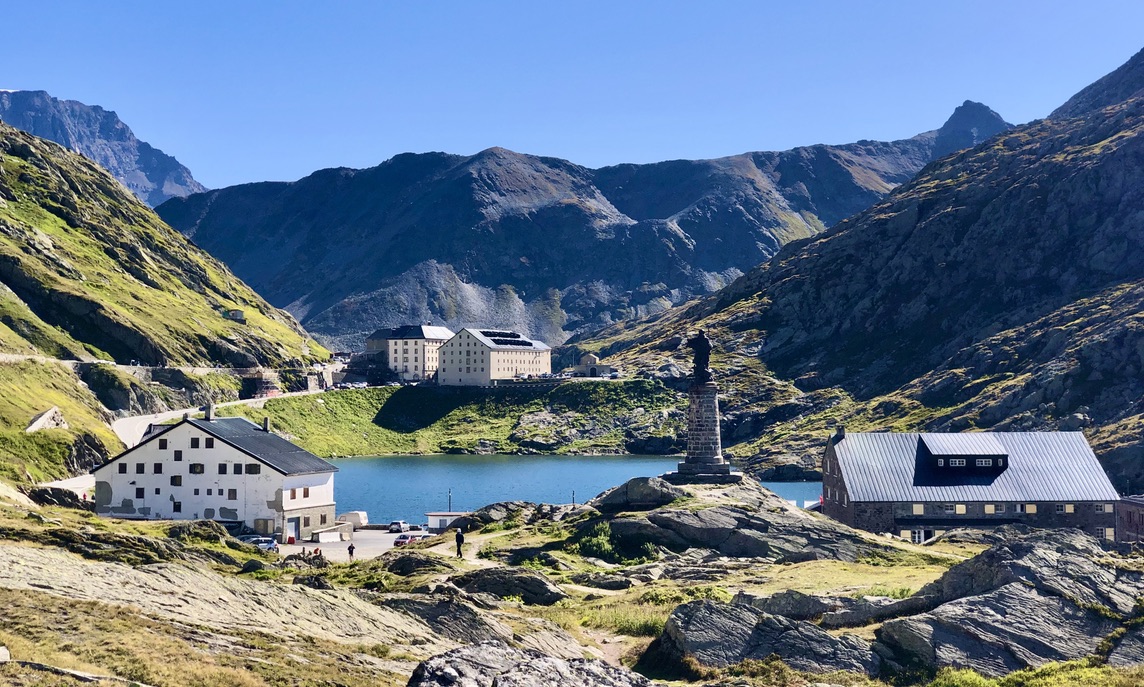
Aosta Valley
Grand-St-Bernard Pass → Pont-St-Martin
Walk the Aosta Valley section of the Via Francigena from the Grand-St-Bernard Pass to Pont-St-Martin.
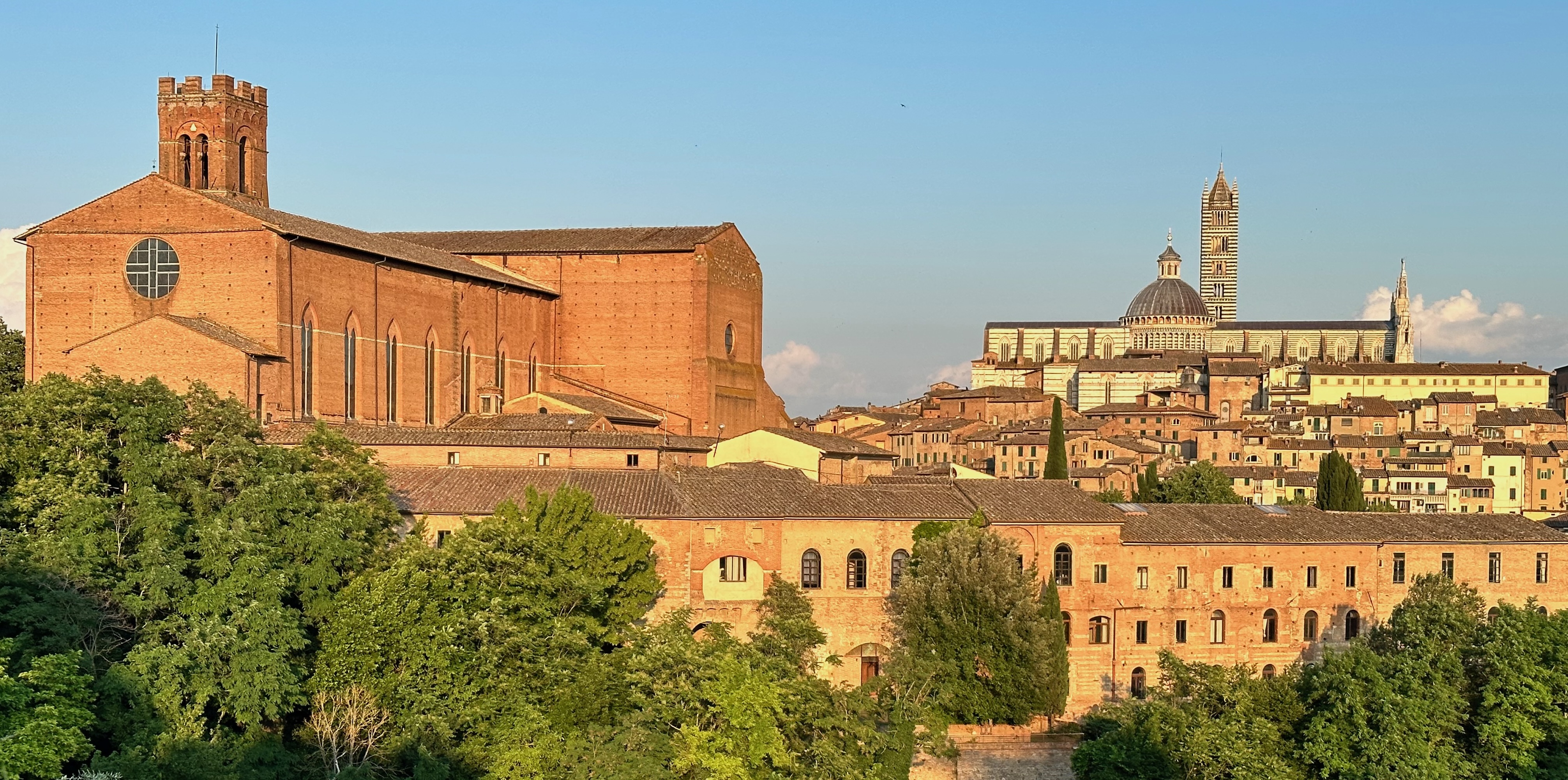
Lucca to Siena
Lucca → Siena
Walk through the heart of Tuscany on one of the most beautiful stretches of the Via Francigena, from the historic walled city of Lucca to magnificent Siena. The route winds through rolling vineyards, olive groves and quiet countryside, linking medieval hill towns such as San Miniato, San Gimignano and Monteriggioni along the way. Rich in history, local food and classic Tuscan landscapes, this journey captures the spirit of the Via Francigena before a memorable arrival into Siena’s spectacular Piazza del Campo.
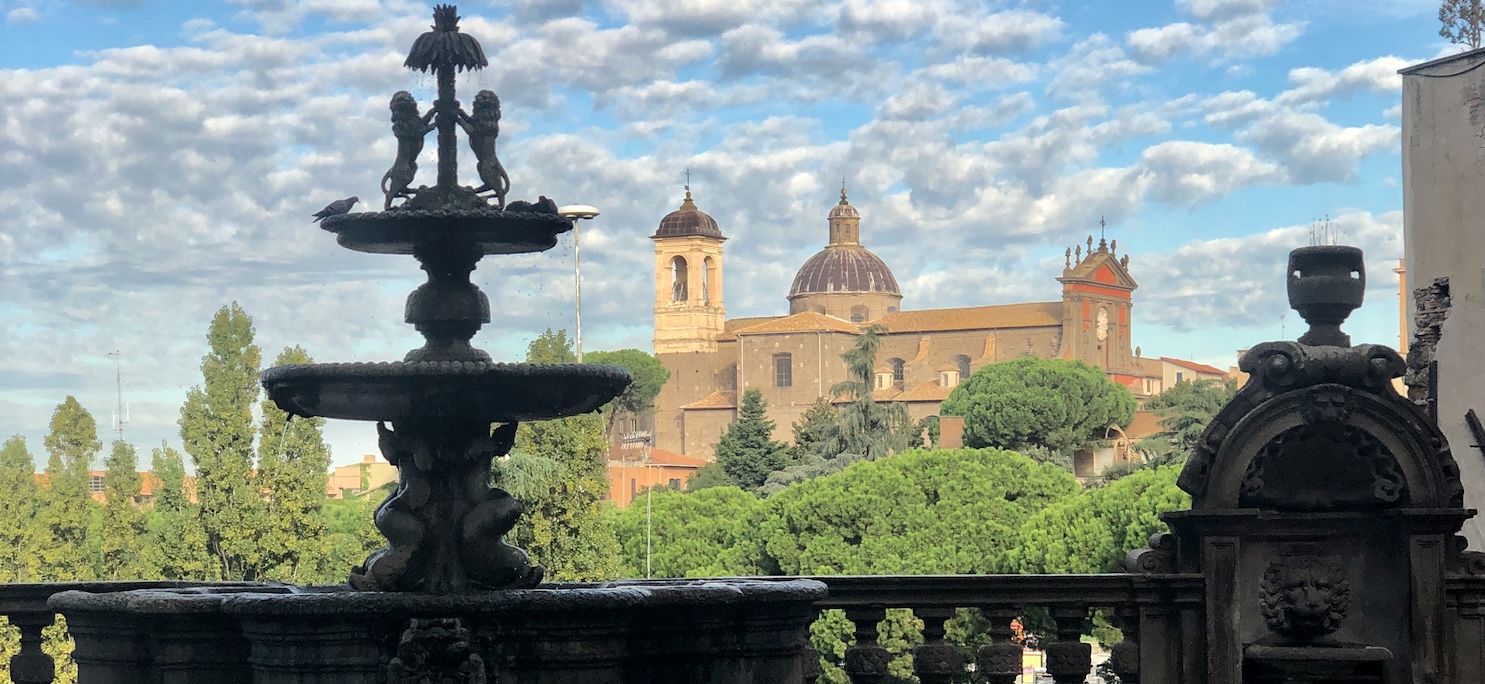
Siena to Viterbo
Siena → Viterbo
Walk 150 km of the historic Via Francigena from Siena to Viterbo on a self-guided pilgrimage through the spectacular landscapes of Tuscany and northern Lazio. Discover the rolling hills of the Crete Senesi, the UNESCO-listed Val d’Orcia, medieval hilltop villages, historic abbeys and the beautiful shores of Lake Bolsena. Follow in the footsteps of medieval pilgrims while enjoying charming local accommodation, luggage transfers and the freedom to walk at your own pace.
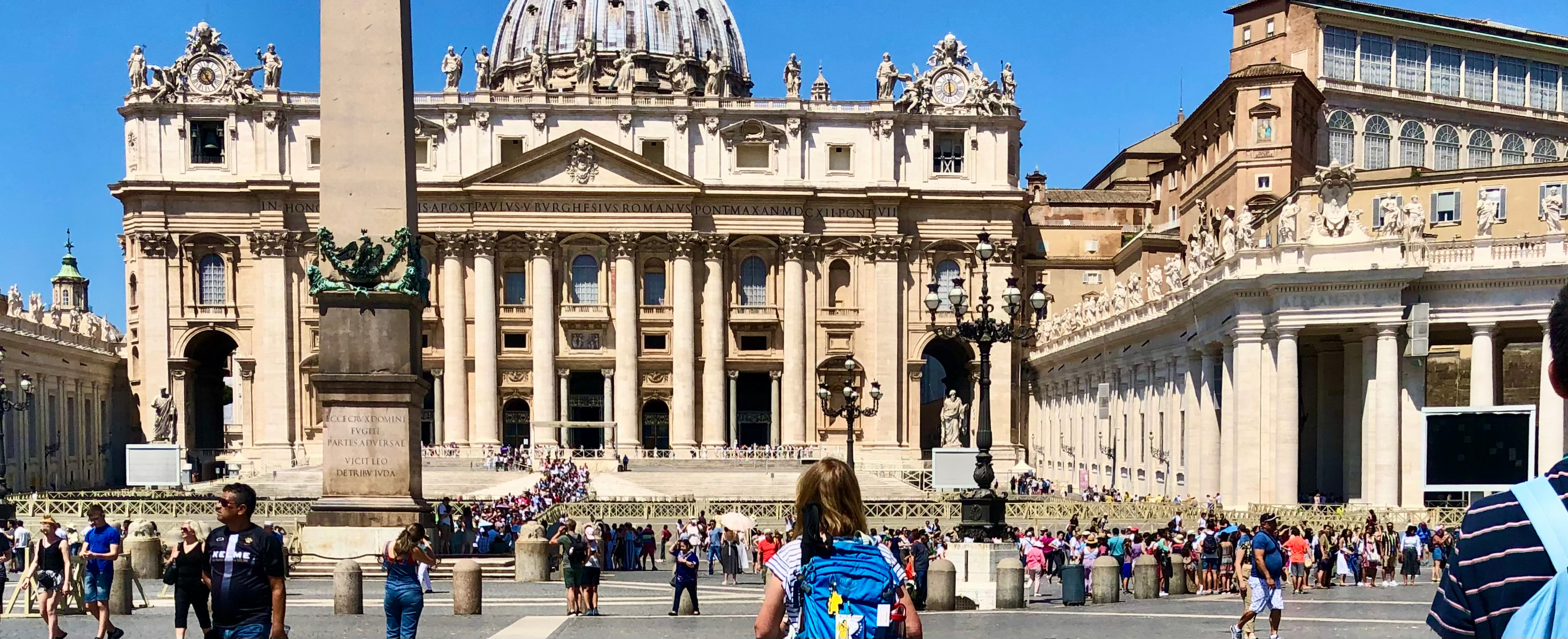
Viterbo to Rome
Viterbo → Rome
Walk the final 106 km of the historic Via Francigena from Viterbo to Rome on this memorable 7-day self-guided pilgrimage. Journey through the beautiful countryside of Lazio, discovering ancient Etruscan ruins, Roman archaeological sites, medieval hilltop villages and peaceful forest trails. Highlights include the historic town of Sutri, the spectacular Monte Gelato waterfalls and panoramic views of Rome from Monte Mario. Complete your pilgrimage with an unforgettable arrival at St Peter’s Square, where you can celebrate your achievement and receive your Pilgrim Testimonium. Enjoy comfortable accommodation, luggage transfers and the freedom to walk at your own pace.
Frequently Asked Questions About the Via Francigena in Italy
Where does the Via Francigena start in Italy?+
The traditional Italian Via Francigena begins at the Great St Bernard Pass on the Swiss–Italian border. From there, the route descends through the Aosta Valley and continues south towards Rome.
How long is the Via Francigena in Italy?+
The traditional route from the Great St Bernard Pass to Rome is approximately 1,000 kilometres. The exact distance varies depending on the route alignment and alternatives chosen.
How long does it take to walk the Via Francigena in Italy?+
Most walkers should allow approximately 45–55 walking days to complete the route from the Great St Bernard Pass to Rome. Including rest days, the journey generally takes around seven to eight weeks.
What is the most beautiful part of the Via Francigena in Italy?+
Tuscany is widely regarded as one of the most scenic sections, particularly the countryside around San Gimignano, Siena and the Val d'Orcia. The Aosta Valley also offers spectacular Alpine scenery.
What is the best section for beginners?+
The sections around Lucca, San Miniato and Siena are popular choices for first-time walkers. However, daily distances and elevation changes should be considered when selecting an itinerary.
Can you walk the Via Francigena in Italy in one week?+
Yes. Many sections can be completed in five to seven walking days. Popular shorter options include San Gimignano to Siena, Siena through the Val d'Orcia, and Viterbo to Rome.
Is the Via Francigena in Italy difficult?+
The route is generally moderate, although some sections are challenging. The Great St Bernard Pass, the Apennine crossing and parts of Tuscany involve significant climbs or descents.
What is the best month to walk the Via Francigena in Tuscany?+
May, June, September and early October generally offer some of the most comfortable walking conditions. July and August can be very hot, particularly on exposed rural stages.
Do you need to book accommodation in advance?+
Advance booking is recommended, particularly during popular walking seasons and in destinations such as Lucca, San Gimignano and Siena. Accommodation can be limited in some rural areas.
Is the Via Francigena in Italy well signposted?+
Many sections are marked with official Via Francigena signs and trail markers. However, carrying an offline map or GPX route is advisable because signage can vary.
Can you walk the Via Francigena without carrying heavy luggage?+
Yes. Luggage transfer services are available on many sections, particularly through organised self-guided walking holidays. This allows walkers to carry a daypack while their main luggage is transported between accommodations.
Does the Via Francigena finish in Rome?+
Rome is the traditional pilgrimage destination, but the modern recognised Via Francigena continues south to Santa Maria di Leuca in Puglia.
Discover Italy on Foot, One Stage at a Time
At Via Francigena Tours, we specialise in helping travellers experience the historic pilgrimage routes of Italy through carefully planned self-guided walking holidays. Whether you want to discover the medieval towns of Tuscany, explore the landscapes of the Val d'Orcia or complete the final pilgrimage to Rome, we can help you find an itinerary that suits your interests, schedule and walking ability.
From the snow-capped Alps to the rolling hills of Tuscany and the ancient streets of Rome, the Via Francigena in Italy is a journey through landscapes, history and culture. Whether you walk for a few days or several weeks, each stage offers an opportunity to discover Italy at a slower, more meaningful pace.
Last updated: 29 October 2026